

Plastics and your health
An evidence-based look at how plastics and their chemicals enter our bodies, what they do to our health, and the science, laws, and resources behind the fight for a healthier future.
Change is coming!
California’s legislation for combatting plastic pollution and mitigating human health effects
*Including Statewide Microplastics Strategy and Extended Producer Responsibility (EPR) requirements
Microplastics & Health-Related Actions (2022–2026)
- SB 1263 Statewide Microplastics Strategy (2022)
- DTSC Safer Consumer Products (2025): Candidate Chemical
- AB 2300-The California Toxic-Free Medical Devices Act (2024) it bans the manufacture, sale and use of Di(2-ethylhexyl)phthalate (DEHP) in IV bags and tubing in California
Plastic Pollution Legislation
- SB 54 (Plastic Pollution Prevention and Packaging Producer Responsibility Act - 2022): shifts the burden from consumers to producers.
- SB1053 Plastic Pollution Mitigation Fund - 2026): expands the SB 54 framework
- SB 343 (Truth in Labeling Act - 2022): Prohibits the use of the chasing-arrows recycling symbol on products
Single-Use and Checkout Bans
- Statewide Plastic Bag Ban (2025-2026)
- AB 1276 Foodware-upon-request “Skip the Stuff”- 2021

What is plastic?
- Plastic is created from fossil fuels and chemicals
- Plastics consist of long molecular chains called polymers made of strongly-bound monomers that don’t break down in nature.
- Chemicals called additives (16,000+) are added to make the polymers usable and transform the plastic into shapes and items we recognize.
- The chemicals can break down or leach out into our soil, our food, and the air we breathe.
Click image to expand
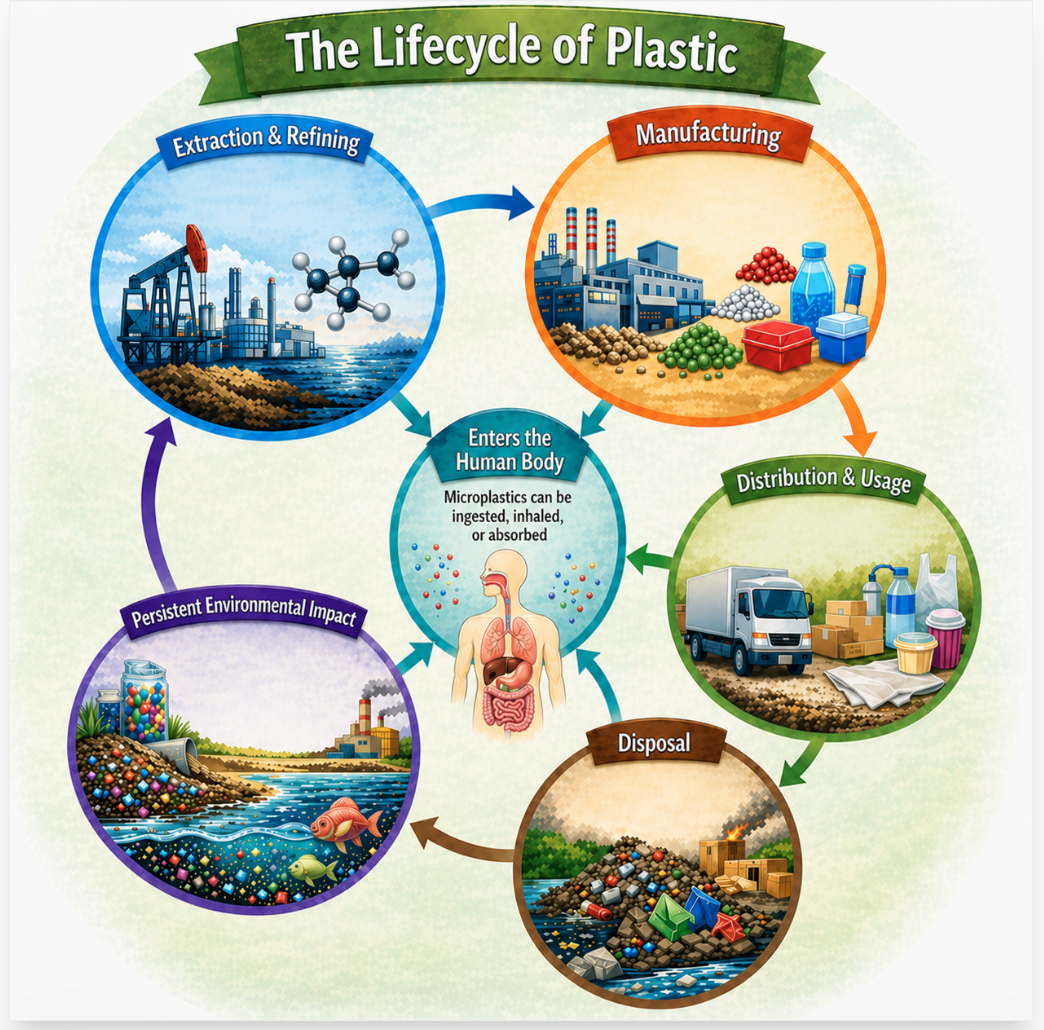
The Plastic Life Cycle
Extraction and refining
Fossil fuels refined into monomers like ethylene and propylene.
Manufacturing
Monomers are converted into plastic resins through polymerization, then formed into pellets, flakes, or products.
Distribution and Usage
Products are packaged and shipped. Many are single-use items.
Disposal
Products are discarded in landfills, incinerated (releasing toxic chemicals), or escape into the environment.
Persistent Environmental Impact
Plastic is not biodegradeable, but breaks down via ultraviolet rays into microplastics which contaminate the soil, water, enter the food chain, and enters the human body
Extraction & Refining
Fossil fuels refined into monomers like ethylene and propylene.
Manufacturing
Monomers are converted into plastic resins through polymerization, then formed into pellets, flakes, or products
Distribution & Usage
Products are packaged and shipped. Many are single-use items
Disposal
Products are discarded in landfills, incinerated (releasing toxic chemicals), or escape into the environment
Persistent Environmental Impact
plastic is not biodegradeable, but breaks down via ultraviolet rays into microplastics which contaminate the soil, water, enter the food chain, and enters the human body
Microplastics and Nanoplastics
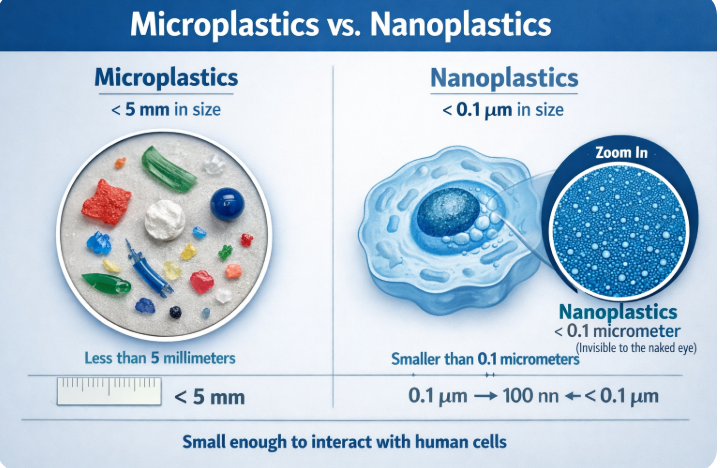
Plastic does not biodegrade; it breaks down into smaller pieces.
Plastic pieces are formed by the degradation of plastic waste and:
- Contaminate air, water, and food.
- Cross biological barriers, accumulating in human tissues raising concerns about inflammation, cell damage, and long-term health effects
Microplastics are visible pieces of plastic
Nanoplastics are far smaller - invisible to the naked eye and small enough to interact with human cells.
How We’re Exposed to Plastics
We’re Exposed to Plastics via Three Routes:
- Inhalation - The Respiratory Barrier
- The Route: We breathe in airborne microplastics suspended in indoor and outdoor environments.
- The Mechanism: Particles that are small enough can bypass the respiratory tract's natural defenses and deposit into the deep lungs. From there, they can easily cross the delicate alveolar-capillary membrane directly into the pulmonary blood vessels.
- Ingestion - The Gut Barrier (The most common route of exposure)
- The Route: Particles are consumed via drinking water, food (seafood, salt, sugar), and shedding from food packaging or plastic utensils.
- The Mechanism: In the digestive tract, nano- and microplastics can cross the intestinal epithelium (the gut lining) via endocytosis or paracellular diffusion and enter the lymphatic system or directly into nearby capillaries.
- Dermal contact - The Skin Barrier
- The Route: Exposure comes from everyday contact with synthetic clothing, cosmetics, and personal care products.
- The Mechanism: While the skin is generally a strong barrier, microscopic tears or highly permeable sweat glands and hair follicles can allow incredibly small nanoparticles to seep through the cutaneous layer and eventually reach local blood vessels.

Are we becoming plastic people?
- Humans ingest, inhale or absorb roughly the weight of a credit card (5 grams) weekly
- Emerging studies have found evidence of plastic across all major organ system throughout the human body.
Health Impacts of Plastic Exposure
Endocrine Disrupting Chemical (EDCs)
- EDC’s
- Once inside the body, nanoplastics are internalized by cells and can cross epithelial barriers.
- They enter systemic circulation and can be transported to deep tissues, bypassing natural defenses to settle in organs like the liver, spleen, and brain.
- Disruption of Endocrine Functions
- The added chemicals in plastics and environmental pollutants easily leach out once inside the body
- They act by mimicking, blocking, or altering natural hormones (like estrogen, testosterone, and thyroid hormones)
- The presence of these foreign nanoparticles in tissues triggers chronic inflammation and oxidative stress.
- This sustained cellular stress alters the function of major endocrine glands, such as the hypothalamus, pituitary, adrenal glands, testes, and ovaries.


Respiratory, Cardiovascular and GI impact
- Inhalation and ingestion of MPs and NPs trigger systemic inflammation, oxidative stress, and cell damage.
- Studies link these pollutants to lung tissue damage and a significantly higher risk of heart attacks and strokes
Respiratory, Cardiovascular and GI impact
- As MPs and NPs enter the bloodstream and accumulate in immune organs (spleen, bone marrow, and lymph nodes),
- They interfere with macrophages, impairing their ability to fight off viruses and bacteria.
- Oxidative Stress & Inflammation: Leads to mitochondrial dysfunction, cell death, and the release of inflammatory chemicals—resulting in chronic, low-grade inflammation.
- Barrier Breakdown: Disrupt the gut lining, can alter the microbiome composition. and can exacerbate conditions like inflammatory bowel disease (IBD), rheumatoid arthritis, and systemic lupus erythematosus.
- Plastic particles often act as carriers for heavy metals, pesticides, and bacterial pathogens, amplifying their toxicological impact on the body.
Reduce Plastic
The Recycling Myth
Most Plastic isn’t truly recyclable because it is:
- Easily contaminated
- Chemically complex containing more than 16,000 distinct chemical
- Degrades with processing
- Recycled plastic often contains higher levels of toxic chemicals
- Economically unattractive to recycle
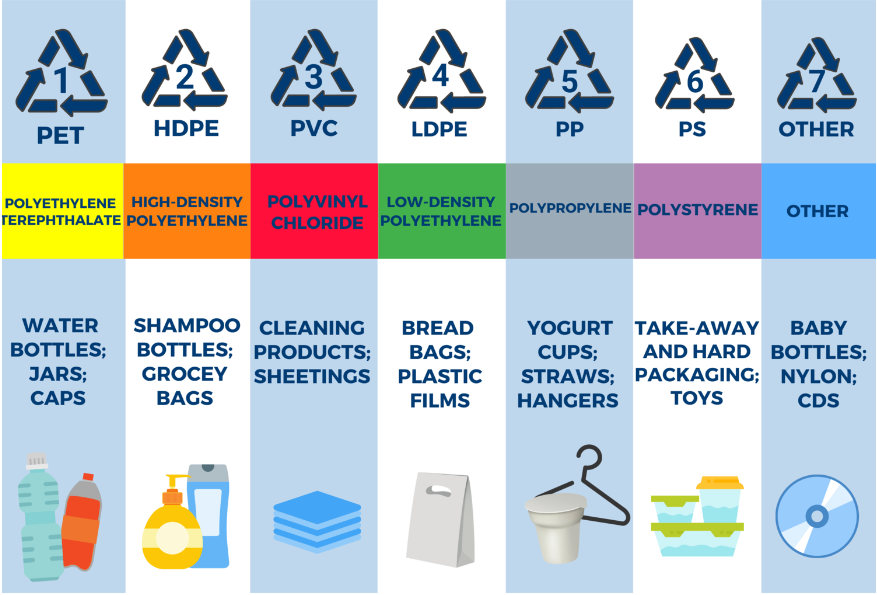
These are the materials can be reprocessed or “recycled”
- #1 PET (Polyethylene Terephthalate): Clear, rigid plastics used for water bottles, soda bottles, and peanut butter jars.
- #2 HDPE (High-Density Polyethylene): Opaque, stiff plastics used for milk jugs, shampoo bottles, and laundry detergent containers.
Conditionally Recyclable Plastics
Acceptance depends entirely on your local facility's capabilities:
#5 PP (Polypropylene): Used for yogurt tubs, margarine tubs, and takeout containers. Processing rates are much lower, and many curbside programs do not accept them.


Plastics in Healthcare
- U.S. Healthcare facilities produce 15,000 tons of waste daily, 25% of that is plastic
- Health risks: Many devices contain polyvinyl chloride (PVC) and hazardous additives like DEHP (phthalates), which can leach into patients.
- Limited Recycling: Most healthcare waste is not contaminated but is often not separated and sorted from contaminated waste. It is then incinerated, releasing hazardous emissions.
- The shift toward disposable items—such as syringes, IV bags, and PPE—drives the crisis, with, on average, seven bags of plastic produced per patient
- Global Injustice: Developed countries often export waste, with under-resourced nations bearing the burden of managing it.

Alternatives for Health Care
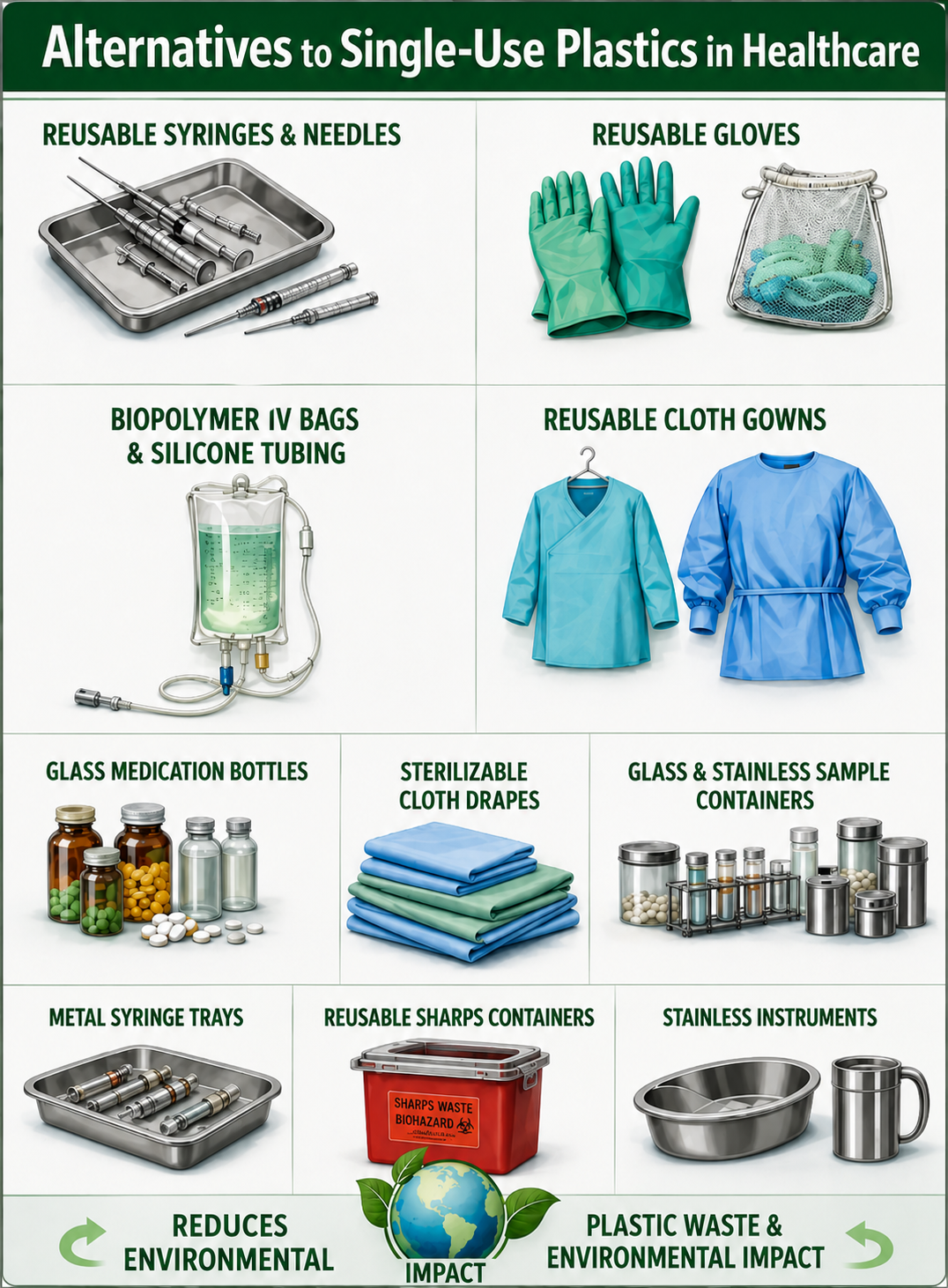
Nurses can work to reduce plastic consumption by:
- Advocating for Reusables
- Rationalizing Supply Stocking
- Prioritizing proper segregation of waste--proper use of red biohazard bags
- Get involved with audits
- Promote educational campaigns for sustainability practices and waste management
- Global Advocacy: Supporting international efforts, such as the Global Plastics Treaty, to hold the healthcare sector accountable for reducing its environmental footprint
Initiatives and Resources
- Global Green and Healthy Hospitals (GGHH): A network that connects hospitals to implement sustainability initiatives.
- Plastics Toolkit for Hospitals: A guide by HCWH Southeast Asia to help facilities audit and reduce plastic waste.
- Sustainable Procurement: Strategies to select greener materials and reduce toxic chemical use
7 Harmful Chemicals Types
- Bisphenols (e.g., BPA, BPS): Used in polycarbonate plastics (#7) and epoxy resins to create hard, shatterproof plastics.
- Phthalates (e.g., DEHP, DINP): Used to make plastics flexible (often found in #3 PVC).
- Flame Retardants (e.g., PBDEs): Added to electronic plastic casings and foams to reduce flammability.
- Per- and polyfluoroalkyl substances (PFAS): Often called "forever chemicals," these are used in food wrappers and to make plastics grease- or water-resistant.
- Dioxins and Furans: Not intentionally added but formed during the manufacturing and incineration of PVC plastic.
- Alkylphenols: Used as stabilizers and in plastic production
- UV stabilizers/Heavy Metals: Used as stabilizers or pigments (especially in PVC or low-cost, brightly colored plastics)
Click a chemical name to read more below
- 1. Bisphenols
- 2. Phthalates
- 3. BFRs
- 4. PFAS and PFOA
- 5. Dioxins and Furans
- 6. Alkylphenols
- 7. UV Stabilizers
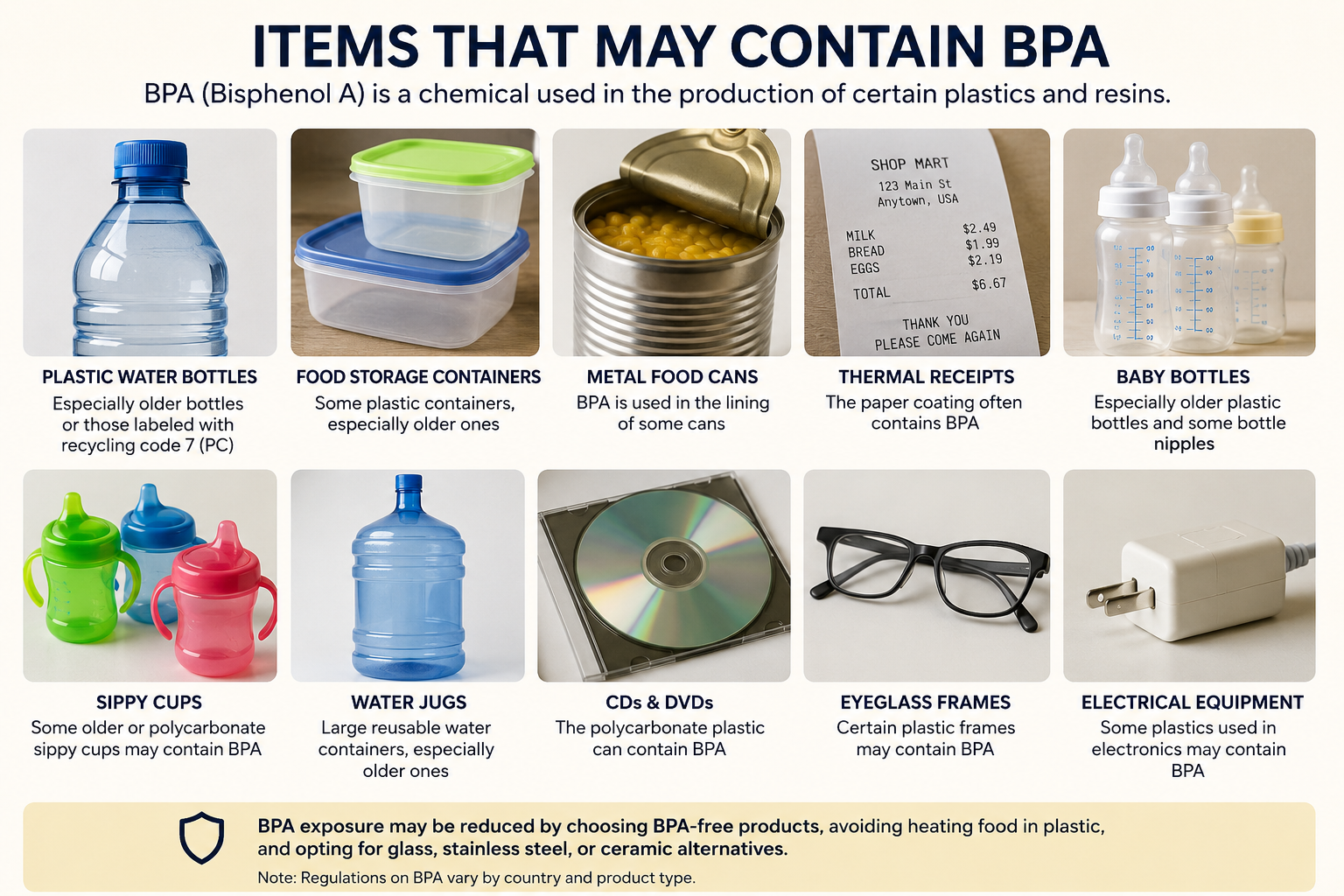
1. Bisphenols
Bisphenols (e.g., BPA, BPS): Used in polycarbonate plastics (#7) and epoxy resins to create hard, shatterproof plastics.
- A group of industrial chemical compounds related to diphenylmethane. commonly used in the production of plastics and epoxy resins.
- Primarily used to harden plastics (polycarbonate) and create epoxy resins for lining food/drink cans, as well as in thermal paper receipts.
- "Bisphenol" is a common name; the letter following denotes the variant, which has additional substituents.
- Many bisphenols, including Bisphenols A (BPA), F (BPF) and S (BPS), have been shown to be endocrine disruptors, potentially relating to adverse health effects
- Bisphenols are linked to cardiovascular disease, obesity, type 2 diabetes, infertility, and neurodevelopmental issues, particularly with prenatal or early-life exposure.
2. Phthalates
- Phthalates (e.g., DEHP, DINP): Used to make plastics flexible (often found in #3 PVC).
- Phthalate esters, are esters of phthalic acid.
- Used to increase the flexibility, transparency and durability of plastics, particularly in polyvinyl chloride (PVC). Heavily used in food packaging and clothing
- Endocrine Disruptors:
- They interfere with hormones, affecting reproduction and development.
- Developmental Issues: Exposure during pregnancy may affect child development and, in males, cause reproductive harm.
- Other Potential Effects: Studies suggest links to cancer, asthma, and behavioral issues in children.
- Chronic Disease: High exposure levels have been associated with increased risk of heart disease-related mortality in adults

3. Brominated Flame Retardants (BFRs)
- Flame Retardants (e.g., PBDEs): Added to electronic plastic casings and foams to reduce flammability.
- Are organobromine compounds that have an inhibitory effect on combustion and reduce the flammability of products containing them
- BFRs are frequently incorporated into plastics, such as high-impact polystyrene (HIPS) and acrylonitrile butadiene styrene (ABS)
- Commonly used in electrical/electronic equipment housings and circuitry., black kitchen utensils and toys
- BFRs leach from products and have been detected in household dust, air, and, in recycled plastic products (such as toys and food service ware).

4. PFAS and PFOA Per- and Polyfluorinated Compounds
- Per- and polyfluoroalkyl substances (PFAS): Often called "forever chemicals," these are used in food wrappers and to make plastics grease- or water-resistant.
- Make plastics water and stain resistant, reduce friction, improve durability, and help molded parts release easily from machines.
- Persistence,"forever chemicals"
- Strong carbon-fluorine bonds do not break down easily
- Accumulate in the environment and human tissues.
- Exposure is linked to elevated cholesterol, reduced vaccine response, thyroid diseases, low infant birth weights, pregnancy complications, and kidney/testicular cancers.
- They bioaccumulate by moving through the food chain, with seafood, eggs, and milk from contaminated areas being significant exposure sources

5. Dioxins and Furans
- Dioxins and Furans: Not intentionally added but formed during the manufacturing and incineration of PVC plastic.
- Dioxins and Furans are highly toxic, persistent organic pollutants (POPs) unintentionally generated during the manufacturing, chlorine bleaching, and incineration of plastics.
- The incineration of PVC, is a major source of these compounds.
- Incomplete combustion of plastics like PE, PP, PS, and PVC in low-temperature waste fires releases these pollutants into the air, where they settle into soil and water.
- They bioaccumulate in the environment
- They can cause reproductive and developmental problems, damage the immune system, interfere with hormones and cause cancer
- Over 90% of human exposure is through food, particularly meat and daily

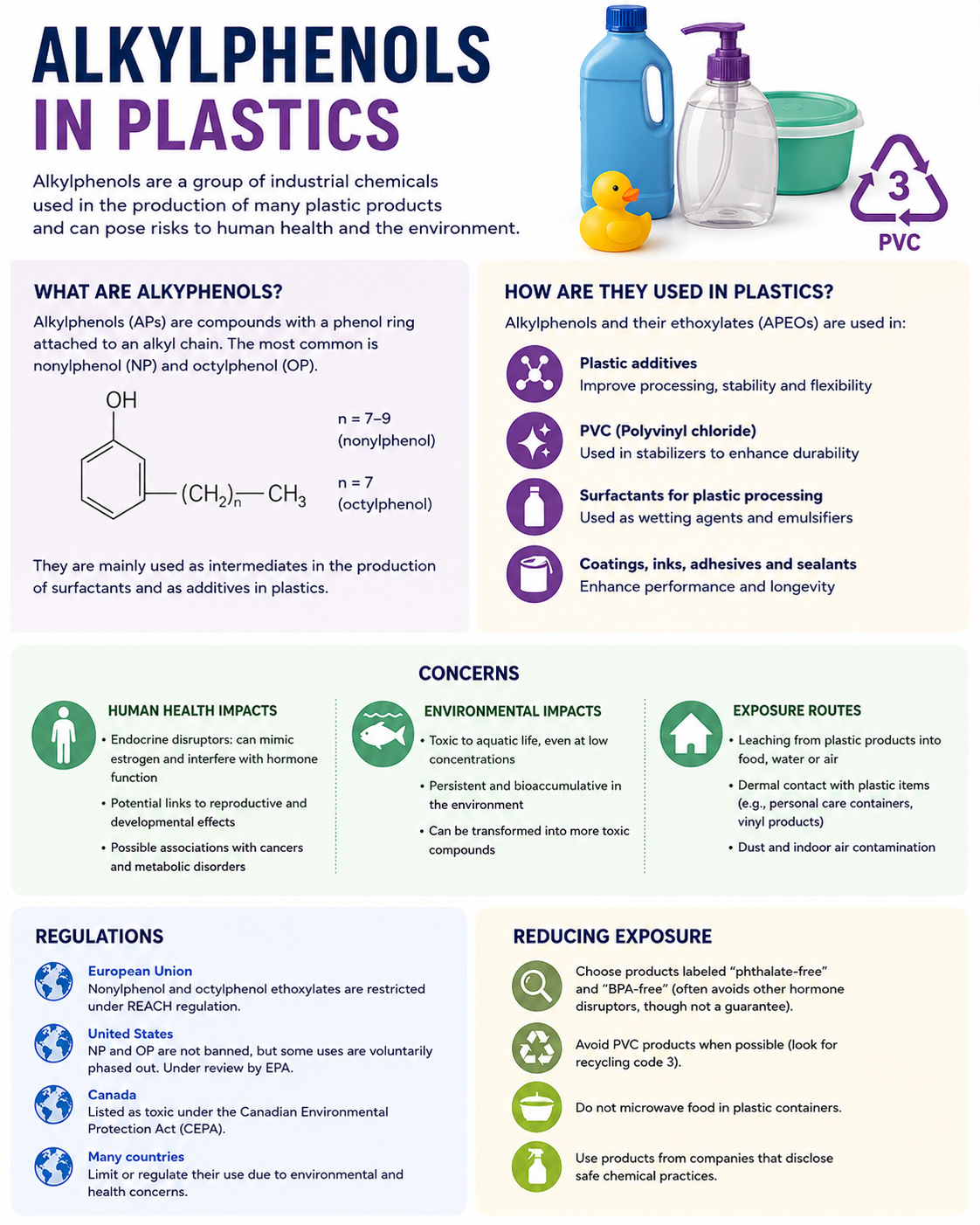
6. Alkylphenols (AP’s)
- Alkylphenols: Used as stabilizers and in plastic production
- The most common AP variants found in plastic are nonylphenol and octylphenol
- Used for protecting plastics (especially PVC) from degradation, and act as UV stabilizers.
- Known as Endocrine disruptors and are linked to higher breast cancer risk and low sperm counts
- AP’s leach from plastic containers, especially when exposed to heat, as shown in studies of PET bottled water and food packaging.
7. UV Stabilizers
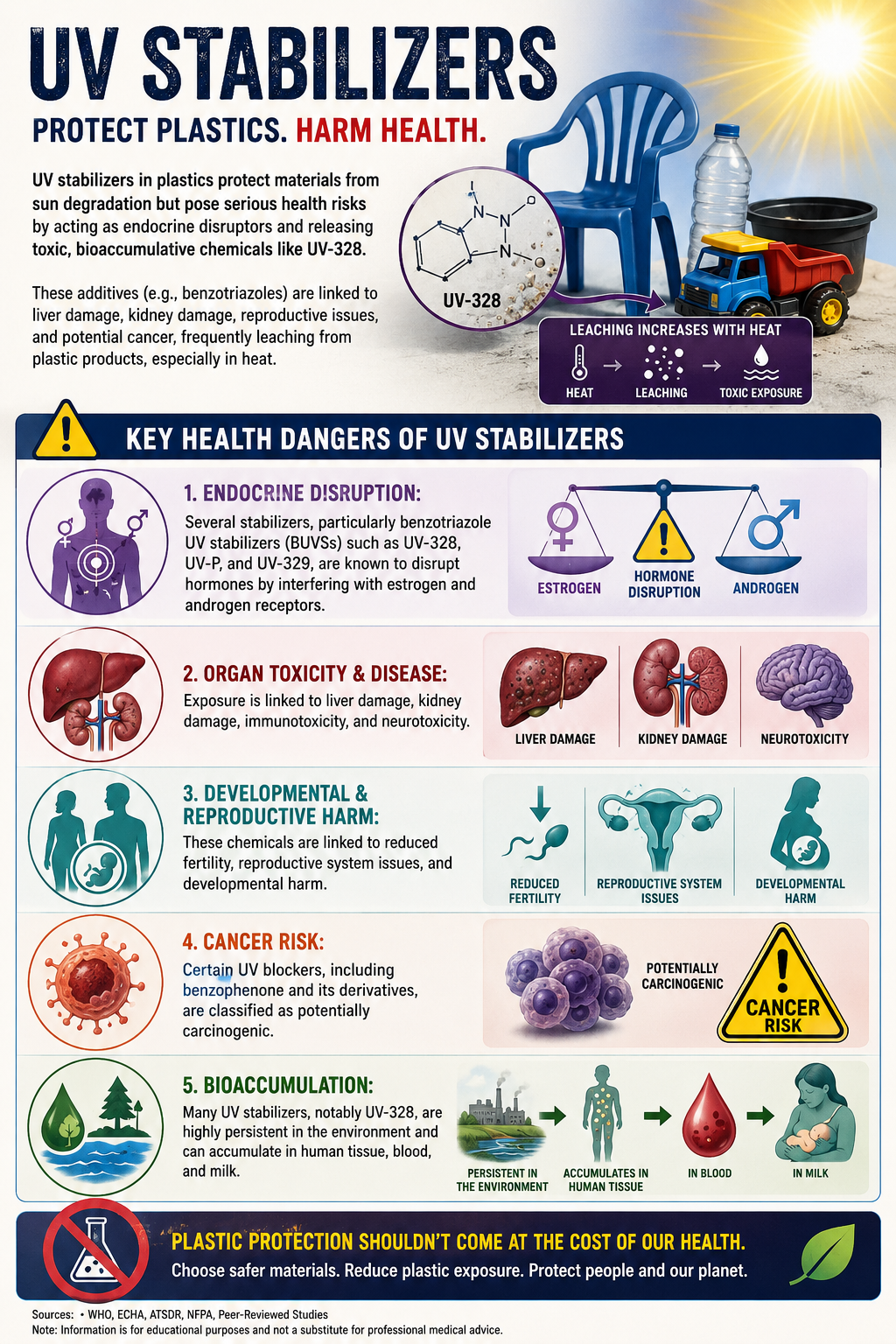
- UV stabilizers/Heavy Metals: Used as stabilizers or pigments (especially in PVC or low-cost, brightly colored plastics)
- Chemical additives (such as benzotriazoles or HALS) incorporated into plastics to prevent degradation caused by sunlight.
- Benzotriazoles and other UV stabilizers (BUVS) used in plastics do not biodegradable effectively and accumulate in the environment.
- Pose significant health risks:
- Many UV stabilizers, notably UV-328, are highly persistent in the environment and can accumulate in human tissue, blood, and milk
- Act as endocrine disruptors-interfering with estrogen and androgen receptors resulting in reduced fertility, reproductive system issues, and developmental harm.
- Exposure is linked to liver damage, kidney damage, immunotoxicity, and neurotoxicity
- Linked to cancer, immune system suppression, and developmental issues
Book recommendations

The Problem with Plastic
by Judith Enck with Adam Mahoney
How we can save ourselves and our planet before it’s too late.
Plastic is everywhere—wrapped around our food, stitched into our clothes, even coursing through our veins. Once a marvel of modern science, plastic has become so inextricably woven into our lives that imagining a world without it can seem impossible.

A Poison Like No Other
by Matt Simon
How microplastics corrupted our planet and our bodies.
It’s falling from the sky and in the air we breathe. It’s in our food, our clothes, and our homes. It’s microplastic and it’s everywhere—including our own bodies. Scientists are just beginning to discover how these tiny particles threaten health, but the studies are alarming.

Count Down
by Shanna H. Swan and Stacey Colino
How Our Modern World Is Threatening Sperm Counts, Altering Male and Female Reproductive Development, and Imperiling the Future of the Human Race
In 2017, author Shanna Swan and her team of researchers completed a major study. They found that over the past four decades, sperm levels among men in Western countries have dropped by more than 50 percent.

Year of No Garbage
by Eve O. Schaub
Recycling Lies, Plastic Problems, and One Woman's Trashy Journey to Zero Waste
In this book Eve O. Schaub, humorist and stunt memoirist extraordinaire, tackles her most difficult challenge to date: garbage. Convincing her husband and two daughters to go along with her, Schaub attempts the seemingly impossible: living in the modern world without creating any trash at all. For an entire year. And- as it turns out- during a pandemic.
Documentaries and Videos

The Plastic Detox

We are all plastic people now
Plastic Wars - Frontline PBS

Plastic People

3 surprising ways microplastics can enter your body - TED-ED

A Plastic Ocean
Podcasts

Plastisphere: The podcast on plastics, people, and the planet

Heated: Detoxing my life, resentfully

The Liz Moody Podcast: How Bad are Plastics for our Health

NIEHS: Understanding Exposures to Microplastics and Nanoplastics

Huberman Lab: The Effects of Microplastics on Your Health and How to Reduce them

The Goop: The True Dangers of Microplastics with Judith Enck

The Great Simplification with Nat Hagens
Websites to Explore: Plastics and Health
Health & Science Organizations
- Collaborative for Health and Environment
- Geneva Environment Network
- Healthcare without Harm
- Million Marker
- P-SNAP-Physicians and Scientist Network Addressing Plastics and Health
- Solutions Atlas/Canadian Coalition for Green Healthcare
- Stanford Center for Human and Planetary Health-Plastic working group
- Sustainable-ID
- The Plastic Detox
- Just Transition Alliance
- UC Center for Climate Health and Equity
- Yale Center for Climate Change and Health
Advocacy
and Coalitions
- 5 Gyres
- ACAT: Alaska Community Action on Toxics:
- Beyond Plastics
- Break Free From Plastic
- CleanEarth4Kids
- Cool Solutions
- Global Plastics Action Partnership and Treaty
- Oceana
- Our world in Data
- Plastic Free Future
- Plastic Pollution Coalition
- Plastiverse
- Surfrider
- The Climate Center
- Toxic Free Future
- UN Environmental Program
- US EPA
